Facial Treatment & Surgery
Eye Surgery
Eye Surgery / Blepharoplasty
Brighten and rebalance the eyes — from double-eyelid surgery and ptosis correction to eye-bag removal and canthoplasty, by our specialist surgical team.
What is eye surgery?
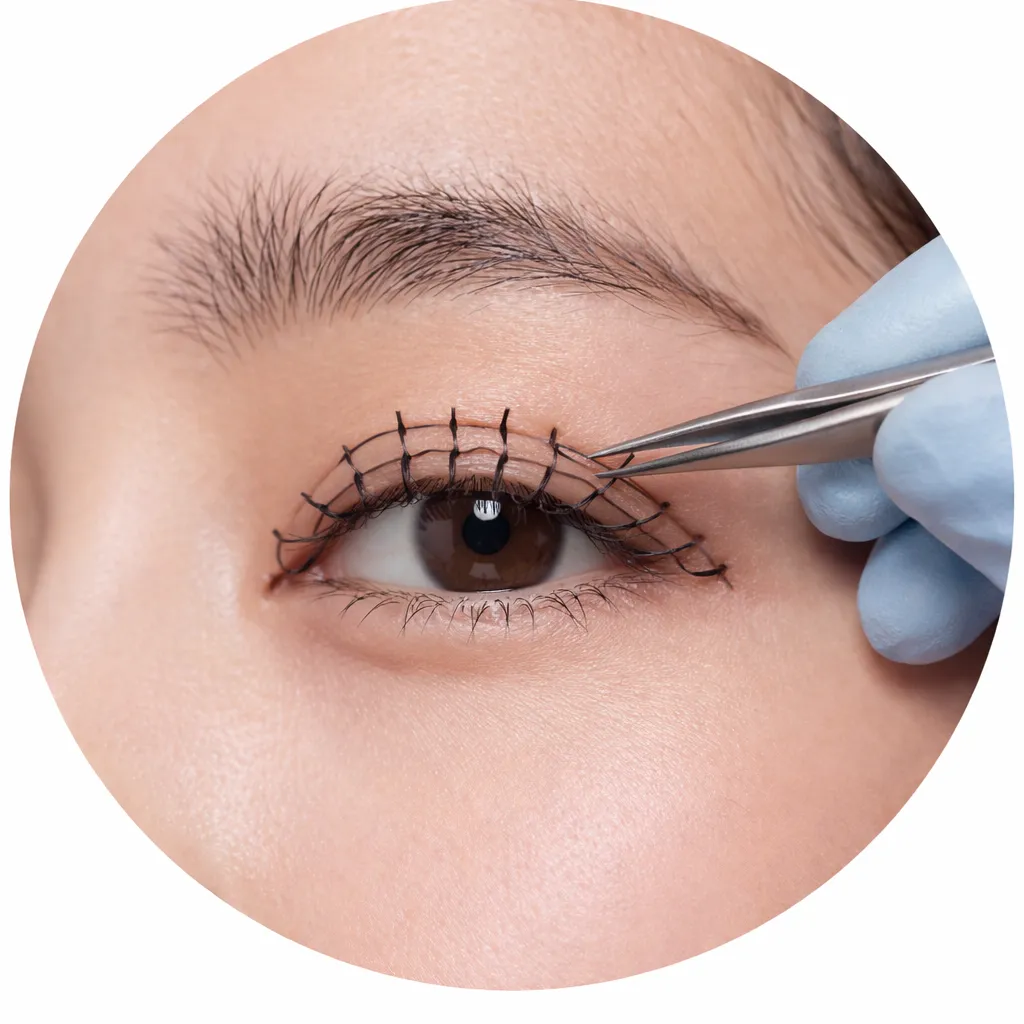
Blepharoplasty reshapes the upper and lower eyelids to address drooping skin, ill-defined creases, under-eye bags, or excess fat — for brighter, natural-looking eyes.
Your surgeon assesses the eyelid crease, skin laxity, and overall facial balance to design a crease and incision placement tailored to you, hidden within the natural fold.
What it addresses
Single / ill-defined crease
A faint or absent crease makes the eyes look small and tired.
Uneven creases
Asymmetric crease height or shape, obvious when the eyes are open.
Droopy lids (ptosis)
Lids that fall over the iris create a sleepy look and incomplete opening.
Under-eye bags / fat
Puffiness or deep grooves under the eyes make the face look fatigued.
YOUNIFY
Why choose YOUNIFY
Facial proportion
The eyes are the first thing people meet. Crease height, curve, and symmetry must suit each person's orbit and brows, so the crease is designed to fit the whole face rather than set to a fixed height.
Your planning options
Who is it for
Those with ill-defined, single, or uneven eyelid creases
Those with drooping lids that obstruct vision or look tired
Those with under-eye bags or fat that create a fatigued look
Those with healthy eyes and no contraindications to surgery
Incision options
Non-incisional (suture) method
ProsNo long incision, little swelling, quick recovery.
NoteBest for thin lids with little fat; may be less permanent than incisional.
Incisional method
ProsExcess skin and fat can be adjusted for a lasting, defined result.
NoteLonger recovery and swelling than the suture method.
Your care pathway
Consult & design the crease
Assess lid skin, fat, and symmetry and design a crease height that fits your face.
Plan & choose the technique
Choose incisional or non-incisional based on your lids and goals.
Prepare for the procedure
Pre-procedure checks and preparation guidance.
Procedure day
Done under local anesthesia by a specialist; not lengthy.
Aftercare
Compresses, wound care, and guidance to reduce swelling and bruising.
Follow-up
Reviews to check how the crease settles, with suture removal as scheduled.
Recovery timeline
Cold compresses reduce swelling and bruising; rest the eyes and avoid straining.
Sutures are removed; swelling and bruising visibly subside.
Scars begin to fade; eye makeup can resume as advised by your surgeon.
The crease settles into a natural shape as scars continue to fade.
Price list
* Indicative prices for reference only. Some items are priced per area. Final pricing depends on an individual assessment. Overseas prices are indicative market estimates for comparison only — contact our team for a personalized quote.
Frequently asked questions
Is double-eyelid surgery painful?
Local anesthesia keeps the procedure virtually painless; mild tightness afterward is controlled with pain relief.
Will it look natural or 'done'?
Your surgeon designs the crease to match your facial structure and existing eyes for a natural result.
Will the scar be visible?
Incisions are hidden in the eyelid crease or beneath the lash line and fade to become hard to notice once healed.
When can I return to work?
Most people resume daily life within 5–7 days, after sutures are removed and swelling settles.
* This information is for general education. Results and treatment plans depend on an individual medical assessment.
Related procedures
Interested in eye surgery?
Book a consultation to assess your eyelids and plan a personalized treatment with the YOUNIFY Clinic team.