Specialist doctor‑led care
Knee Osteoarthritis Treatment in Bangkok
Knee care at YOUNIFY Clinic, Silom, Bangkok, is arranged in steps rather than as a single treatment. Options run from joint injection starting from THB 15,000, through genicular artery embolization starting from THB 129,000, to knee replacement starting from THB 350,000 where it is indicated. Physicians assess which step fits your stage. Results vary by individual.
Clinic open daily, 11:00 to 20:00 (Bangkok time) · Online enquiries answered 24 hours a day
Specialist doctor‑led care
What Is Knee Osteoarthritis?
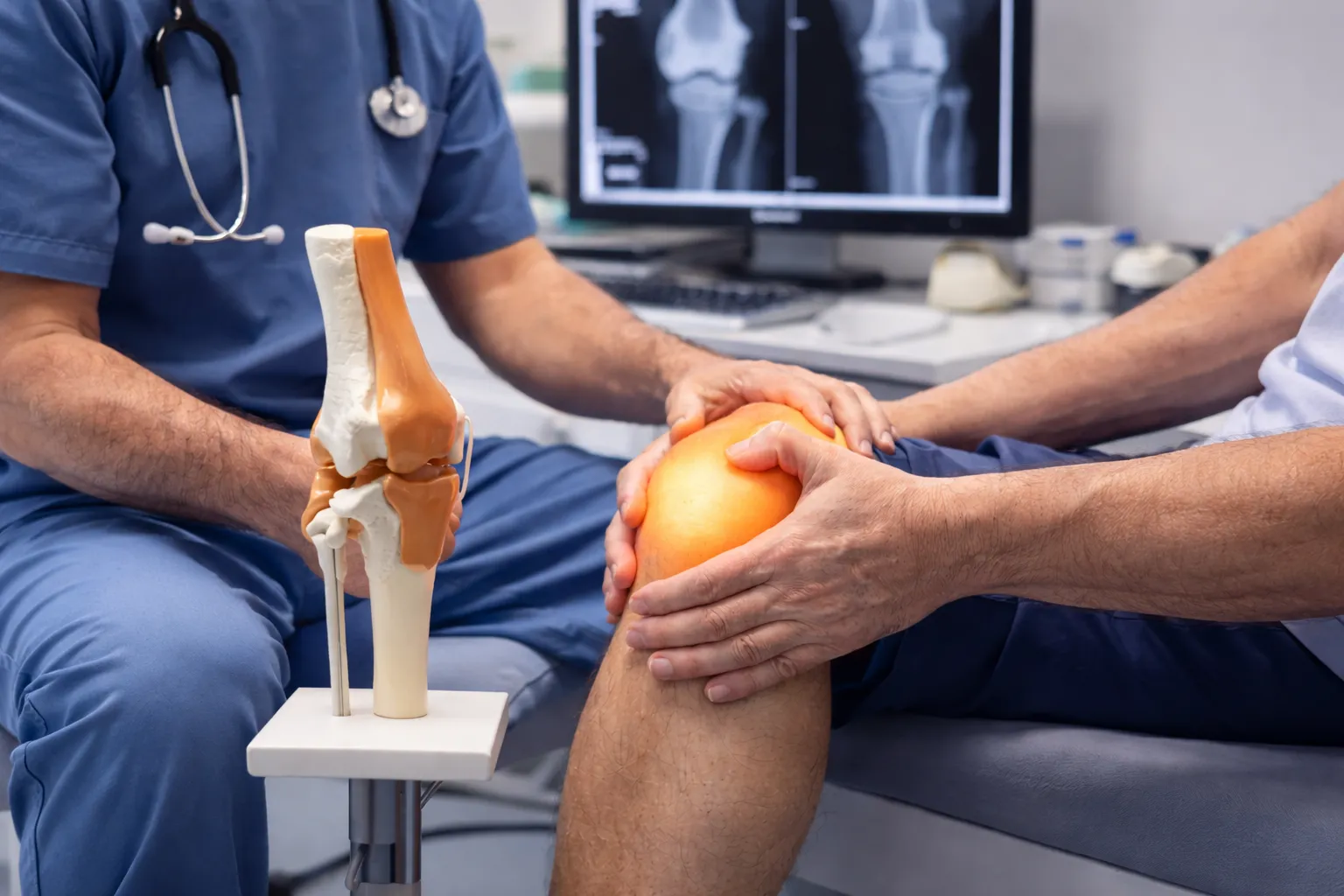
Knee osteoarthritis is a common condition caused by gradual wear and tear of the knee joint. Over time, this can lead to pain, stiffness, swelling, and difficulty walking or moving comfortably. It is most often seen in people over the age of 40.
However, the level of pain a person feels does not always match what is seen on X-rays or scans. Some patients experience severe pain even when joint damage appears mild, while others with more visible damage may feel less pain.
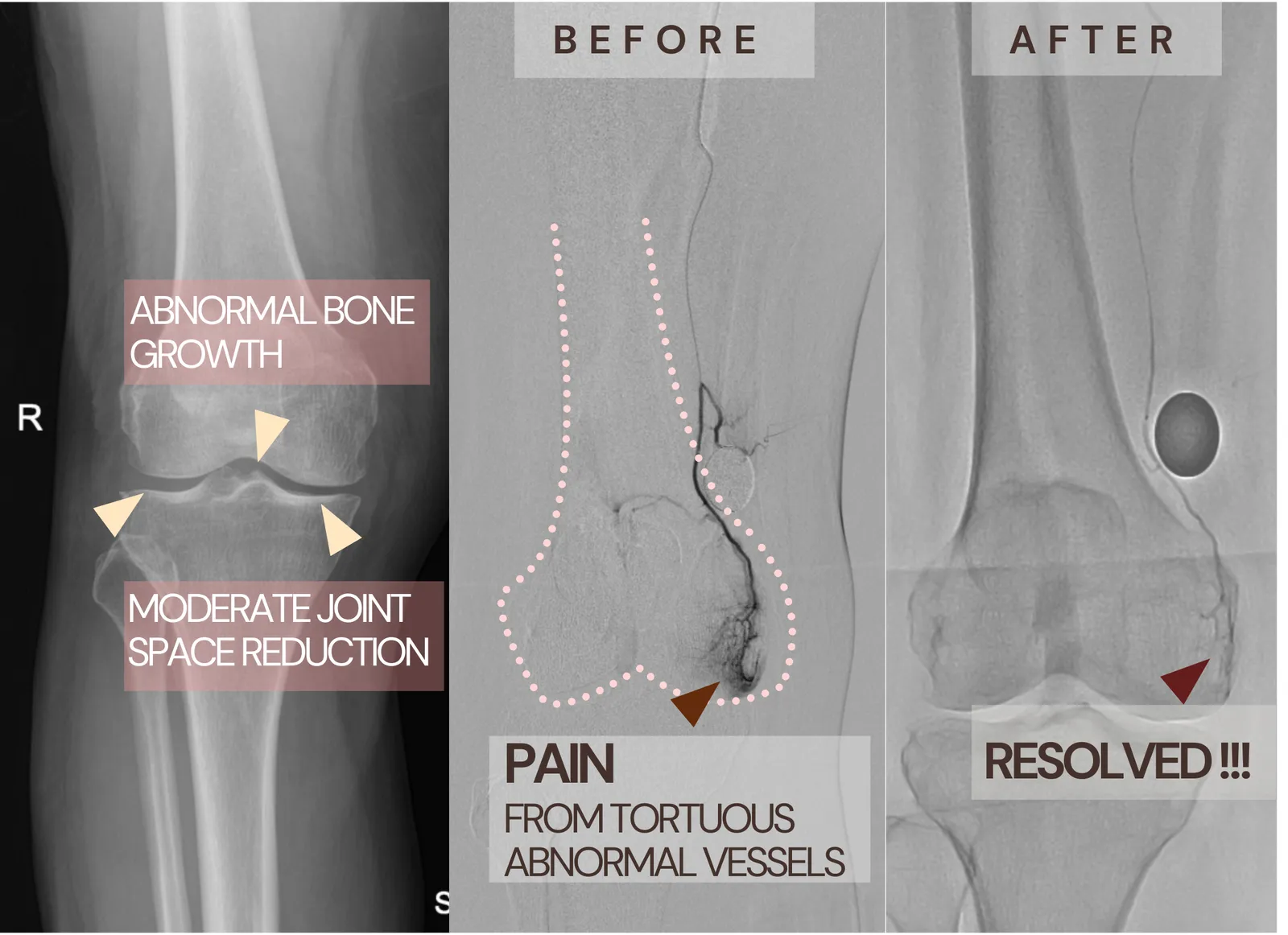
This is because knee pain is not caused by joint damage alone. In many patients, abnormal blood vessels and extra nerves around the knee can drive ongoing inflammation and chronic pain, so standard treatments may not fully work or may only help temporarily.
Knee Care Pathway
“Not every knee pain comes from the joint itself. Effective care starts with finding the real source.”
- Assess the source of pain and knee osteoarthritis stage before choosing treatment
- Start with the right level of care rather than jumping straight to surgery
- Covers physical therapy, medication, injections, minimally invasive care, and surgery planning
- For GAE-specific questions, use the dedicated GAE page for procedure and candidacy details
Abnormal Blood Vessels: A Common Cause of Long‑Term Pain
Our bodies can sometimes create abnormal small blood vessels as part of aging, injury, or long-lasting inflammation. This can happen to anyone, even without a serious injury.
These abnormal blood vessels often grow together with extra nerves. They keep the area inflamed and continuously send pain signals. Over time, this becomes a major cause of long-term (chronic) pain.
Because the pain comes from these abnormal blood vessels, common treatments such as medications, steroid injections, or physical therapy may not work well or only temporarily reduce inflammation and discomfort for a short time.
Why it matters
- To relieve chronic pain effectively, the source of pain must be treated, not just the symptoms.
- For patients whose knee pain does not improve with standard treatments, approaches that address the source of pain may offer better relief.
Procedure and Imaging
See How GAE Works
Current Treatment Options for Knee Pain
Most clinics address only one stage, leaving many patients stuck between injections and surgery. That's the gap YOUNIFY is built to fill.
Knee pain can be treated in many ways, depending on the severity of symptoms and joint damage. Most treatment options available today focus on only one stage of the condition.
In the early stages, patients are often treated with pain medications, supplements, physical therapy, or injections to reduce inflammation and discomfort. These treatments may help relieve symptoms but do not always address the underlying cause of pain.
In more advanced stages, when pain becomes severe or movement is significantly limited, surgery such as knee replacement is often recommended. While surgery can be effective for some patients, it may not be suitable for everyone and involves longer recovery and higher risks.
Many patients fall between these stages: their pain is too severe for medications alone, but not severe enough for surgery. As a result, they continue to live with chronic pain, limited mobility, and few clear options.
How Our Clinic Is Different
We provide comprehensive knee care across all stages of knee pain, with the right option at the right time.
Support Early-Stage Care
Early-stage care focuses on identifying and managing pain at its earliest signs, before it progresses into chronic or structural problems. This phase emphasizes accurate assessment, pain control, movement correction, and guided rehabilitation.
How it works
- Comprehensive Assessment: evaluate pain source, movement patterns, posture, and biomechanics
- Structured Pain Management: non-invasive strategies to reduce inflammation
- Rehabilitation Planning: personalized exercise and strengthening program
- Progress Monitoring: ongoing evaluation and adjustments
Benefits
- Reduces risk of chronic pain
- Improves mobility and stability
- Prevents long-term structural damage
- Supports faster return to activity
Who is it for?
- New or mild joint pain
- Early signs of overuse or strain injuries
- Stiffness, reduced mobility, or muscle imbalance
- Those who want to prevent worsening conditions
Minimally Invasive Options
These treatments are designed for patients whose symptoms persist despite conservative therapy. They aim to reduce pain, improve function, and stimulate healing, without major surgery. Procedures minimize tissue disruption and recovery time.
How it works
- Advanced Imaging & Diagnosis: identify precise pain source
- Targeted Interventions: image-guided procedures or biologic support
- Pain Modulation Techniques: reduce nerve irritation and inflammation
- Functional Rehabilitation: support tissue healing and restore movement
- Follow-up Optimization: monitor progress and adjust plan
Benefits
- Smaller incisions or no incision
- Shorter recovery time
- Lower complication risk
- Preserves natural structures
- Delays or avoids major surgery
Who is it for?
- Persistent pain lasting several months
- Chronic joint degeneration or inflammation
- Limited response to physical therapy or medication
- Recurrent pain affecting daily activities
- Patients seeking alternatives to open surgery
Advanced Solutions When Needed
When structural damage is significant and non-surgical options are insufficient, surgical intervention may be the most effective solution. Advanced care ensures surgery is carefully indicated, properly planned, and fully supported before and after the procedure.
How it works
- Thorough Evaluation & Indication: confirm surgery is truly necessary
- Preoperative Optimization: prepare your body to improve outcomes
- Coordinated Surgical Planning: clear explanation of risks and expectations
- Postoperative Rehabilitation: structured recovery pathway
- Long-term Functional Support: prevent recurrence and protect results
Benefits
- Restores structural stability
- Relieves severe pain
- Improves long-term mobility
- Structured recovery guidance
- Clear communication at every step
Who is it for?
- Severe joint damage or structural instability
- Advanced degenerative conditions
- Significant functional limitation
- Failed conservative or minimally invasive treatments
- Cases requiring reconstructive procedures
The YOUNIFY Advantage
Why choose YOUNIFY for GAE
GAE is a specialized procedure whose safety and outcome depend on the team and the facility. This is how GAE is set up at YOUNIFY.
| Aspect | YOUNIFY |
|---|---|
| Who performs it | A dedicated Interventional Radiologist |
| Physician training background | Direct musculoskeletal (MSK) specialization |
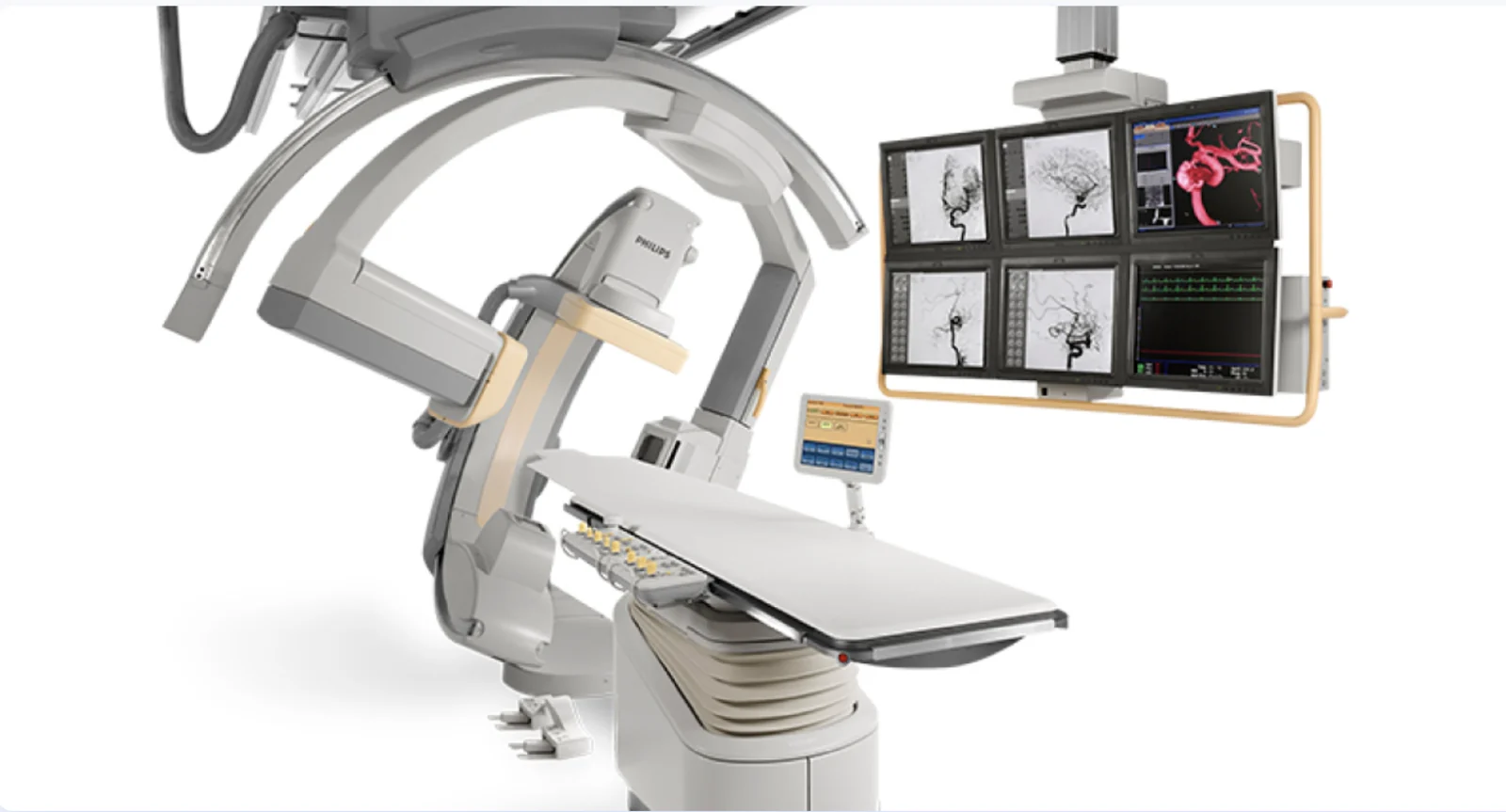
| Procedure facility | Accredited angiography suite in a partner hospital, with biplane DSA technology |
| Follow-up & complication care | Complications are rare, with systematic monitoring and aftercare |
Focused Treatment Page
Need the full GAE details?
If you are specifically comparing GAE, non-surgical knee pain treatment, or options before surgery, the GAE page covers candidacy, procedure steps, video, imaging examples, and FAQs.
- Best for people checking whether GAE fits their case
- Includes more procedure and preparation detail than this knee hub
- Use this as the ad landing page for GAE and non-surgical knee terms
Price list
Procedures in this table start from THB 15,000 to THB 350,000 per procedure; the final plan is confirmed in a written quotation after assessment.
| Procedure | Starting Thailand price (฿) | Starting Thailand price (AUD) | Standard Australia price (AUD) |
|---|---|---|---|
| Knee & joint procedures | |||
| Genicular Artery Embolization (GAE) | THB 129,000 | A$5,609 | A$12,000 |
| Transarterial Microembolization (TAME) | THB 129,000 | A$5,609 | A$12,000 |
| Joint Injection (Intra-articular) | THB 15,000 | A$652 | A$4,000 |
| Total Knee Replacement (surgical alternative) | THB 350,000 | A$15,217 | A$30,000 |
The last two rows are alternatives, not lesser options. A joint injection is a first-line treatment that can ease symptoms for a period and is often used before any other procedure is considered. A total knee replacement is the operation for advanced osteoarthritis. GAE may delay the point at which it is needed rather than take its place. Which one suits you depends on the stage of your arthritis and on your own goals, and is decided with your doctor, not from a price. * Indicative prices for reference only. Final pricing depends on an individual assessment. Overseas prices are indicative market estimates for comparison only. Contact our team for a personalized quote.
Knee Pain FAQ
Does every knee pain patient need surgery?
No. Treatment depends on the cause, disease stage, and patient goals. Many patients start with physical therapy, medication, injections, or minimally invasive options before surgery is considered.
Where should knee pain be treated?
Choose a clinic that assesses the cause before starting treatment, through physical examination, imaging, and previous treatment history. It should also offer the full range from physical therapy and medication through injections and minimally invasive procedures to surgery, so care is not limited to one method. Assessment before treatment is what to expect anywhere.
Who may be suitable for GAE?
GAE may be considered for selected patients with chronic knee osteoarthritis pain that has not improved enough with medication, physical therapy, or injections, especially when surgery is not desired or not suitable.
When should knee pain be checked by a doctor?
A medical assessment is recommended when pain lasts longer than 1-2 months, walking or standing becomes difficult, swelling develops, pain worsens, or symptoms return after prior treatment.
Recommended Reads
Learn More About Knee Pain
Where should knee pain be treated? Causes and care options
The main guide for people starting to compare knee pain care options.
Walking PainWhy does my knee hurt when walking?
Understand walking pain, stair pain, and activity-related knee symptoms.
Pain LocationInner knee pain: what should be checked?
A practical guide to medial knee pain, meniscus, ligaments, and arthritis.
Common ConditionKnee osteoarthritis and options before surgery
Learn about stages, injections, and GAE for selected patients.
Knee Osteoarthritis Treatment in Bangkok
Knee care at YOUNIFY Clinic, Silom, Bangkok, is arranged in steps rather than as a single treatment. Options run from joint injection starting from THB 15,000, through genicular artery embolization starting from THB 129,000, to knee replacement starting from THB 350,000 where it is indicated. Physicians assess which step fits your stage. Results vary by individual.
Medically reviewed by Dr. Noppachai Siranart · Last reviewed
Individual results may vary. Please consult a doctor before treatment.