Facial Treatment & Surgery
Chin Surgery
Chin Surgery
Reshape the chin for balance — augment a short chin or refine an over-projected one to harmonize the profile and jawline.
What is chin surgery?
Chin surgery adjusts the shape and position of the chin — augmenting a short or weak chin with a medical-grade implant, or reducing an over-projected one — to balance the side profile.
Your surgeon assesses your profile, bone structure, and goals to choose the right implant size or bone adjustment, through a small incision inside the mouth or under the chin.
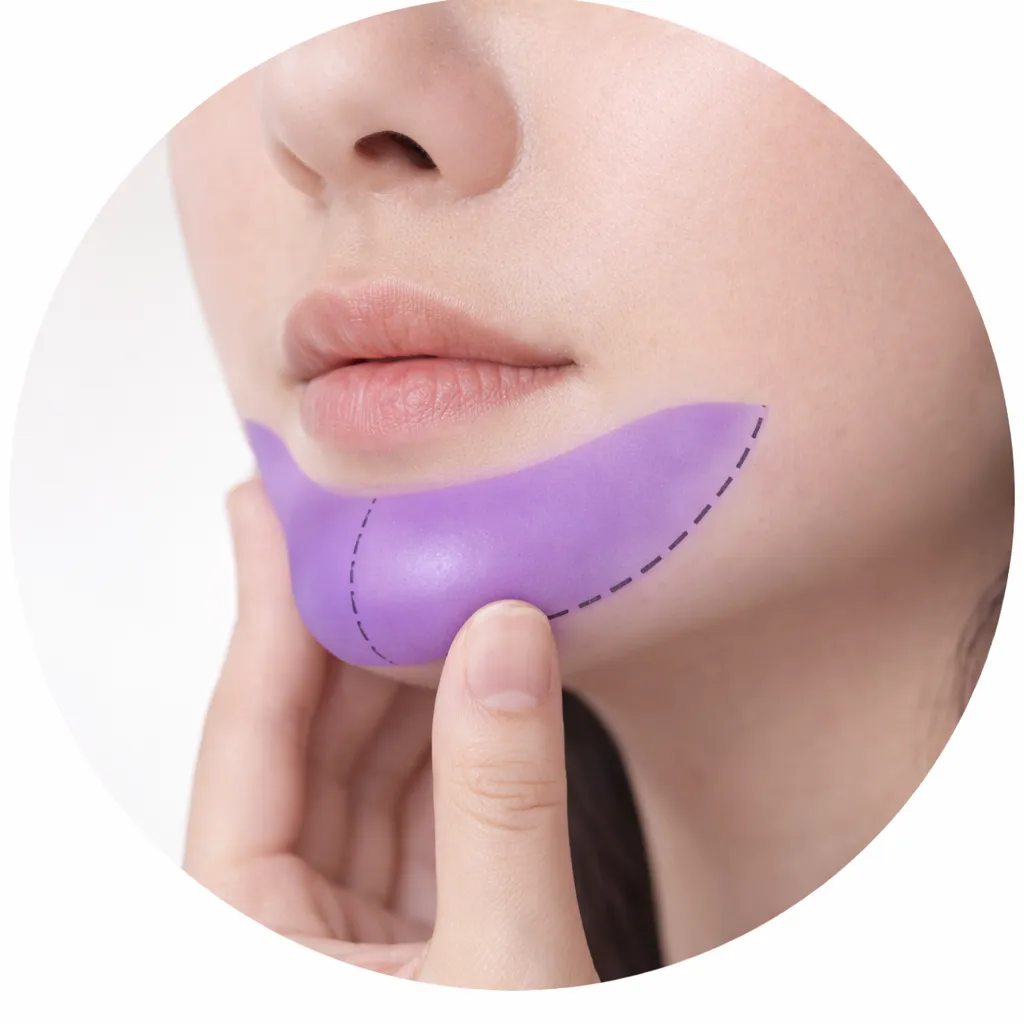
What it addresses
Short / recessed chin
A chin set back makes the face look short and the nose more prominent.
Asymmetric chin
A chin tip tilted to one side leaves the two halves of the face unbalanced.
Wide / square chin
A broad or angular tip makes the lower face read as heavy.
Weak jawline
Loose fat under the chin blurs the line between chin and neck.
YOUNIFY
Why choose YOUNIFY
Facial proportion
In facial aesthetics the face divides into three equal thirds, and the chin closes the lower third. A few millimetres too short or too long shifts the balance of the whole face — so the chin is planned against the entire face, not in isolation.
Your planning options
Who is it for
Those with a short, weak, or receding chin that unbalances the face
Those with an over-projected or long chin
Those wanting a more balanced side profile
Those in good health with no contraindications to surgery
Incision options
Intraoral incision
ProsNo visible scar on the outside at all.
NoteRequires strict oral hygiene during recovery.
Submental incision
ProsA clear view for precise implant placement and easy wound care.
NoteA small scar under the chin, hidden in shadow and fading as it heals.
Your care pathway
Consult & analyze the profile
We assess proportion, chin position, nose, and jawline, and listen to your goals.
Plan & measure
Plan the size and shape for your structure, and explain material and incision options.
Choose material & prepare
Select the right implant/technique and complete pre-op checks.
Surgery day
Performed in a standard operating room by anesthesia and facial-surgery specialists.
Aftercare
A swelling-reduction program, wound-care guidance, and a channel to reach the team.
Follow-up
Scheduled reviews to check how the chin shape settles.
Recovery timeline
Cold compresses and a soft diet; mild swelling and tightness at the chin are normal.
Sutures removed (for external incisions); swelling subsides and work resumes.
Swelling visibly reduces and the chin shape begins to settle.
The shape fully settles for a natural result.
Price list
* Indicative prices for reference only. Some items are priced per area. Final pricing depends on an individual assessment. Overseas prices are indicative market estimates for comparison only — contact our team for a personalized quote.
Frequently asked questions
Implant vs. filler for the chin?
An implant is permanent and supports structure better; filler is temporary and suits minor refinement.
Can a chin implant shift?
Correct placement and fixation by a specialist greatly reduce the chance of shifting.
Where is the incision?
Usually hidden inside the mouth with no external scar; some techniques use a small incision under the chin.
Is it painful?
Tightness and swelling are expected at first and controlled with pain relief, improving within a few days.
* This information is for general education. Results and treatment plans depend on an individual medical assessment.
Related procedures
Interested in chin surgery?
Book a consultation to assess your profile and plan a personalized treatment with the YOUNIFY Clinic team.