What is an epidural steroid injection (ESI) for back pain that radiates down the leg? How it works, who it suits, how long relief lasts — explained by the YOUNIFY medical team in Silom, Bangkok.
Contents
Key Takeaways
- An epidural steroid injection (ESI) delivers anti-inflammatory medicine into the epidural space around an inflamed nerve root to relieve back pain radiating down the leg — needle-based, image-guided, no surgery, usually same-day discharge.
- ESI is designed to relieve symptoms, not to surgically remove the cause; clearly radiating leg pain from an inflamed nerve root tends to respond better than diffuse, non-specific back pain.
- Relief varies widely by individual — several weeks to several months, sometimes as a short series — and works best alongside rehabilitation and everyday-habit changes.
Why does back pain radiate down the leg?
Pain that travels from the lower back or buttock down the leg usually comes from a nerve root in the lumbar spine being compressed or irritated. When that nerve root becomes inflamed, the body sends pain, numbness or an electric, shooting sensation along the path of the nerve into the leg.
Common sources include a herniated lumbar disc and narrowing of the spinal canal. Because inflammation around the nerve root is often central to the pain, reducing that inflammation directly is one way to relieve symptoms — alongside activity changes and rehabilitation. Radiating leg pain has more than one possible cause, so a proper assessment by our medical team matters before choosing any treatment. For the wider picture, see chronic back pain that radiates down the leg.
What is an epidural steroid injection (ESI)?
An ESI delivers a corticosteroid (an anti-inflammatory medicine), usually combined with a local anaesthetic, into the epidural space — the area surrounding the membrane that covers the spinal cord and nerve roots. The aim is to calm the inflammation around the nerve root that is generating the radiating leg pain. In other words, it is designed to relieve symptoms, not to surgically remove the underlying cause.
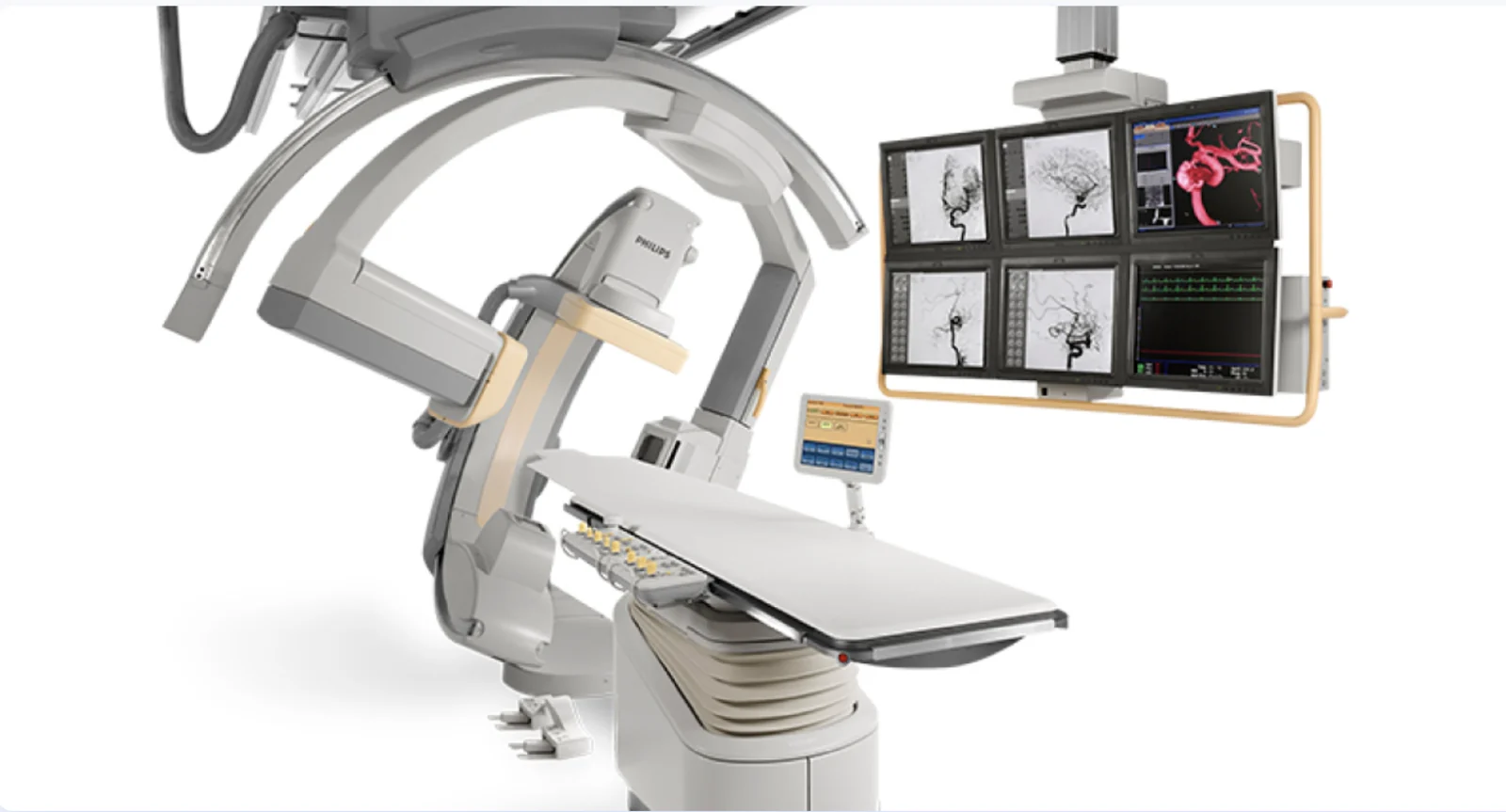
The procedure is performed under X-ray guidance (fluoroscopy) so the needle tip reaches the intended target accurately. It uses local anaesthetic, involves a needle rather than an incision, leaves no surgical wound, and most patients go home the same day. The devices and techniques used meet international standards, and the procedure is carried out under the care of our medical team.
How does it work, and how long does relief last?
In short: once the anti-inflammatory medicine acts around the inflamed nerve root, pain, numbness and radiating symptoms tend to ease, which often creates a window to return to physiotherapy and move more comfortably. How long that improvement lasts varies considerably from person to person.
Some people notice relief for several weeks to several months; others may be advised to have a short series of injections at the physician's discretion. An ESI does not make the underlying condition disappear for good — it is a tool to relieve symptoms, and it tends to work well when combined with rehabilitation and everyday-habit changes. In some cases it helps a person delay or avoid surgery, but the outcome depends on the underlying pathology and how each individual responds. If leg pain is your dominant symptom, see sciatica / radiating leg pain.
What types of ESI are there?
Our medical team selects the approach that most closely matches the location and pattern of your symptoms. The choice depends on your examination, MRI findings and the physician's judgement, and no single approach suits everyone. There are three main routes:
- Interlaminar ESI — medicine is placed into the epidural space between the vertebral laminae, spreading around the inflamed area.
- Transforaminal ESI / selective nerve root — targeted at a specific nerve root, which can also help pinpoint which root is driving the pain.
- Caudal ESI — delivered through the opening near the tailbone into the lower epidural space.
Who is — and isn't — a candidate for ESI?
May be suitable: people with back pain radiating down the leg from an inflamed or compressed nerve root, whose symptoms have not improved with conservative care (medication, rest, physiotherapy), and who want a non-surgical option. Clearly radiating leg pain (for example sciatica / a compressed nerve root) tends to respond better to reducing nerve-root inflammation than diffuse, non-specific back pain.
May not be suitable, or needs further assessment: people with an active infection, bleeding or clotting problems, allergy to the medicines involved, poorly controlled diabetes, pregnancy, or warning signs that need urgent care — such as progressive leg weakness or loss of bladder or bowel control, which warrant prompt medical attention. Suitability is decided individually after examination and imaging.
Safety and aftercare
ESI is a widely performed procedure, and most patients recover quickly. Even so, temporary side effects can occur — soreness at the injection site, a short-lived increase in pain, facial flushing, difficulty sleeping, or a temporary rise in blood sugar in people with diabetes — along with other, less common effects. Our medical team will explain the benefits, limitations and risks openly beforehand, and provide self-care guidance and a follow-up plan.
In summary
This procedure is part of YOUNIFY's Pain Medicine service, which manages chronic neck and back pain with image-guided, needle-based, non-surgical procedures — same-day discharge, under the care of our medical team. To find out whether your symptoms fit this approach, contact us to arrange an initial consultation. Results vary by individual.
Frequently Asked Questions
Does an epidural steroid injection hurt?
It is performed with local anaesthetic under X-ray guidance. Most patients feel only mild discomfort during the procedure and go home the same day. If you are anxious about pain, tell the medical team so comfort measures can be planned.
How long does the relief last?
It varies by individual — some people improve for several weeks to several months, and some may need a short series at the physician's discretion. It relieves symptoms rather than removing the underlying cause.
How many times can it be done?
This depends on your response and the physician's judgement; injections are generally spaced sensibly and not repeated too frequently. The medical team plans the number individually.
Can an ESI replace surgery?
An ESI is a non-surgical option that relieves symptoms, and many people use it to delay or avoid surgery. Some conditions may still require surgery, however, and the medical team will help you weigh the right path.
References
- Epidural corticosteroid injections in the management of sciatica: a systematic review and meta-analysis (Annals of Internal Medicine, 2012 (Pinto RZ, et al.))
- Non-invasive treatments for acute, subacute, and chronic low back pain: A Clinical Practice Guideline (ACP) (Annals of Internal Medicine, 2017)
Medical Note
This article is for general information and does not replace medical examination, diagnosis, or treatment. If symptoms are severe, changing quickly, or urgent, seek medical care promptly.
Want to know which care plan fits you?
Share your symptoms, health history, medications or prior procedures, and personal goals. Our team can help arrange a medical assessment.
Consult YOUNIFY Clinic