Key Takeaways
- Keto controls what you eat (very low carb), while IF controls when you eat — but both aim at the same thing: helping you eat less overall so you reach a calorie deficit.
- Neither burns fat faster on its own. Studies matching calories find similar weight loss. The truly 'faster' method is the one you can follow most consistently.
- You can combine keto with IF, but it's not necessary and can be too strict for many people. For those who have tried many methods and still fall short, medicine offers a more durable path.
How keto and IF work differently
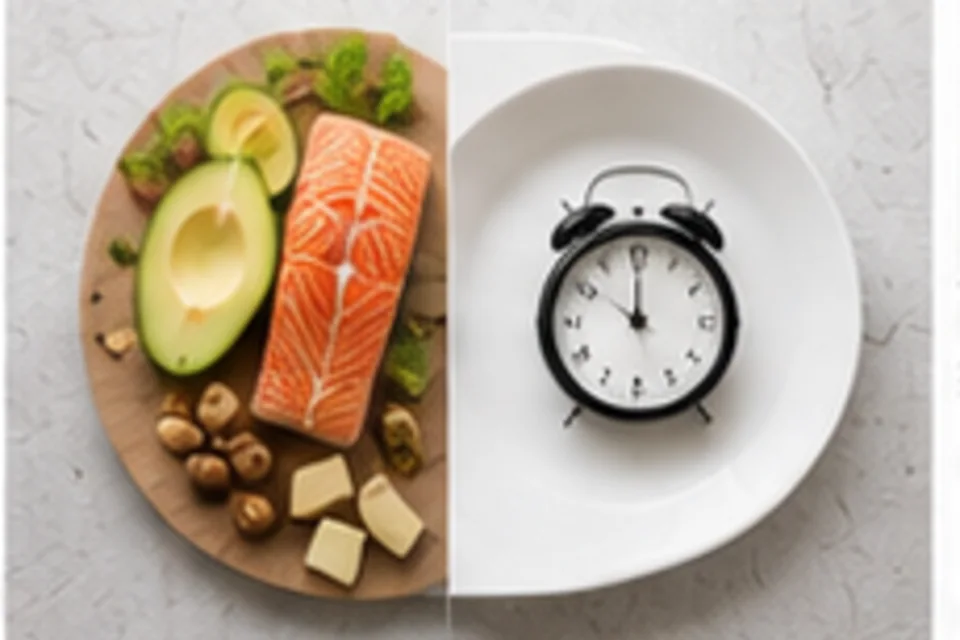
Keto focuses on controlling what you eat — capping carbohydrates very low and raising fat as the main fuel until the body enters ketosis. IF does not tell you what to eat; it controls when you eat, for example 16:8, meaning fast 16 hours and eat within an 8-hour window.
Though the mechanisms differ, the destination is the same: helping you take in fewer total calories. Keto keeps you full longer through protein and fat, while IF cuts out late-night meals and mindless snacking. Both are simply strategies that lead to a calorie deficit — not two different kinds of magic.
- Keto: controls the type of food (very low carb, high fat)
- IF: controls the timing of eating (e.g. 16:8, 5:2)
- Both aim at one goal: a calorie deficit
Which one loses weight faster?
The honest answer is there is no clear winner. In the first week, keto often drops the scale faster because you shed water and glycogen — but that is not pure fat loss. When you look at true fat loss at matched calories, studies find the two methods perform similarly.
What decides real speed is consistency. A method you keep up for months delivers more total loss than one that starts fast but quits early. People who like a few big meals may prefer IF, while those who control hunger well on low carb may prefer keto. Choose by lifestyle, not by hype.
| Aspect | Keto | IF (Intermittent Fasting) |
|---|---|---|
| What it controls | Type of food (very low carb) | Timing of eating |
| Early loss | Faster (water/glycogen) | Moderate |
| True fat loss | Similar | Similar |
| Sustainability | Harder when eating out | Flexible on food type |
| Best for | Those who control hunger on low carb | Those who like big meals, skip breakfast |
Can you combine keto with IF?
You can, and some people find keto makes the fasting periods of IF easier because they feel less hungry. But stacking two strict methods can be too much for many people — it raises stress, complicates social eating, and leads to quitting, which contradicts the very principle that consistency matters most.
If you want to try, start with one at a time to see how your body and daily life handle it, and always prioritize enough protein and vegetables at every meal. Whichever you choose, the real goal is a calorie deficit that is achievable and not miserable.
- You can combine them, but it's not necessary and may be too strict
- Start with one at a time to see what you can handle
- Prioritize protein and vegetables at every meal, either way
The durable path, and the medical options
Whether keto, IF, or both, every method works through a calorie deficit, and the best one is the one you can sustain without forcing it. If you have tried many methods and still plateau or regain, that is not failure, because obesity is a chronic disease tied to hormones and genetics.
At YOUNIFY we manage weight loss end to end, starting with behavior and nutrition as the foundation (lifestyle intervention), adding GLP-1 medication when appropriate, and — for those who want greater, non-surgical results — endoscopic sleeve gastroplasty (ESG), which helps you feel full sooner, eat less, and keep the results, all guided by a specialist team.
Lifestyle intervention (the base)
An individualized nutrition and behavior program — the foundation that makes every method work without rebound.
GLP-1 medication
Helps reduce hunger and makes portion control easier, used under medical supervision.
Endoscopic sleeve gastroplasty (ESG)
Sutures the stomach smaller through an endoscope via the mouth — no incisions, faster fullness, greater lasting loss.
Frequently Asked Questions
So which loses more, keto or IF?
At matched calories, weight loss is very similar. The real difference is which one you can follow more consistently, because the method you sustain longer always delivers more total loss.
Why does keto look faster at first?
Very low carb makes the body release the water stored with glycogen, so the scale drops fast early on — but that is water, not pure fat. Compared with IF at matched calories, true fat loss is similar.
Which should a beginner start with?
Start with whichever fits your lifestyle and feels most comfortable. Many find IF at 14:10 or 16:8 easier to begin because it doesn't cut out entire food groups, while keto suits those ready to seriously overhaul their meals. Either way, prioritize consistency.
What if I do both and still don't lose weight?
First reassess your total calories and protein, because often the deficit isn't real yet. If you've fully adjusted and still plateau or regain, it may be time to see a doctor to consider medical options like GLP-1 medication or ESG.
References
- Maintenance of Lost Weight and Long-Term Management of Obesity (Medical Clinics of North America, 2018)
- Improvement of Obesity-Related Comorbidities After Bariatric Procedures: A Network Meta-Analysis of Endoscopic Versus Surgical Interventions (Digestive Diseases and Sciences, 2026)
Want to know which care plan fits you?
Share your symptoms, health history, medications or prior procedures, and personal goals. Our team can help arrange a medical assessment.
Consult YOUNIFY Clinic