Key Takeaways
- Keto means eating very few carbohydrates (often under 50 g a day) and using fat as the main energy source, so the body enters ketosis and burns ketones instead of sugar for fuel.
- The clear upsides are reduced appetite and fast early weight loss from shedding water and glycogen, but the downsides are that it's hard to sustain, has an adjustment-period side effects, and cuts out many foods.
- Crucially, keto loses weight through the same mechanism as every diet — a calorie deficit — not by magically burning fat. For those who try it and still fall short, medical options are available.
What is keto, and how does ketosis work?
The ketogenic diet means eating very few carbohydrates — typically capping carbs under about 50 g a day — while raising fat to be the main energy source, with protein kept moderate. When carbs drop low enough, the body switches to burning ketones, made from fat, instead of sugar for fuel. This state is called ketosis.
Many people confuse ketosis with a special fat-burning mode, but ketosis is simply a change in fuel source — it does not guarantee weight loss. Losing fat still depends on whether you take in less energy than you burn. Keto merely helps some people feel full longer and eat less overall.
- Carbs usually capped under 50 g a day
- Fat becomes the main energy source; protein moderate
- Ketosis = burning ketones instead of sugar, not magic fat-burning
What can you eat, and what to avoid
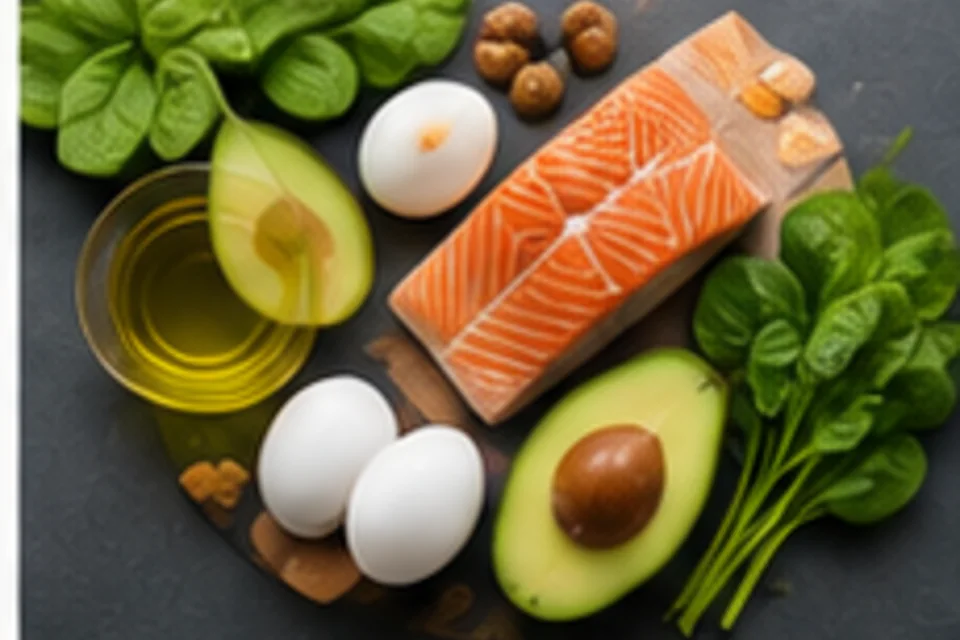
Foods you can eat center on meat, eggs, fish, seafood, healthy fats like olive oil and avocado, nuts, cheese, and low-carb leafy vegetables. Foods to avoid are rice, flour, bread, noodles, sugar, very sweet fruit, and sugary drinks, because their high carb content easily knocks you out of ketosis.
Even though you can eat plenty of fat, that does not mean unlimited. Fat is very energy-dense, so overeating it can still push total calories into surplus. Choose quality fats, keep an eye on overall portions, drink enough water, and mind your electrolytes during the adjustment period.
| Eat freely | Eat in moderation | Avoid |
|---|---|---|
| Meat, eggs, fish, seafood | Nuts, cheese | Rice, flour, bread, noodles |
| Low-carb leafy greens | Low-carb fruit like berries | Sugar, sweets, desserts |
| Olive oil, avocado | Unsweetened yogurt | Sugary drinks, juice, sweetened milk |
The pros and cons of keto
The upside that makes keto popular is appetite control — protein and fat are filling, so some people eat less overall without forcing it. And early on, the scale often drops fast as the body releases the water stored with glycogen, giving quick, motivating results.
The downside is that it is hard to sustain long term, because it excludes many foods and eating out is tricky. During the adjustment period, some feel a cluster of symptoms called the 'keto flu' — fatigue, headache, constipation — and some see changes in blood lipids, so people with chronic conditions should do it under a doctor's guidance.
- Pros: appetite control, fast early water-weight loss, quick results
- Cons: hard to sustain, eating out is difficult
- Adjustment may bring keto flu — fatigue, headache, constipation
Keto and lasting results, and the medical options
In short, keto is a tool that helps some people manage hunger and reach a calorie deficit more easily — but it is not magic, and it is not right for everyone. If you have done keto diligently and still plateau or regain, that is not failure, because obesity is a chronic disease tied to hormones and genetics.
At YOUNIFY we manage weight loss end to end, starting with behavior and nutrition as the foundation (lifestyle intervention), adding GLP-1 medication when appropriate, and — for those who want greater, non-surgical results — endoscopic sleeve gastroplasty (ESG), which helps you feel full sooner, eat less, and keep the results, all guided by a specialist team.
Lifestyle intervention (the base)
An individualized, flexible nutrition and behavior program you can actually sustain — without extreme food restriction.
GLP-1 medication
Helps reduce hunger and makes portion control easier, used under medical supervision.
Endoscopic sleeve gastroplasty (ESG)
Sutures the stomach smaller through an endoscope via the mouth — no incisions, faster fullness, greater lasting loss.
Frequently Asked Questions
Does keto really lose weight faster than other diets?
The scale often drops faster early on, but most of that is water and glycogen, not pure fat. When you compare true fat loss at matched calories, keto performs similarly to other diets. What decides the outcome is the calorie deficit and consistency.
What is the keto flu, and does it go away?
The keto flu is a set of adjustment-period symptoms in the first weeks — fatigue, headache, nausea, constipation — caused by switching fuel sources and losing water and electrolytes. It usually improves on its own with enough water and adequate electrolytes. If symptoms are severe or prolonged, see a doctor.
Can I eat fruit on keto?
Most fruit is high enough in carbs to break ketosis easily, but low-carb fruit like berries can be eaten in limited amounts. Focus on your total daily carbs rather than cutting out all fruit unnecessarily.
Who should not do keto?
People who are pregnant or breastfeeding, those with diabetes on glucose-lowering drugs or insulin, and people with pancreatic disease, kidney disease, or abnormal blood lipids should consult a doctor first. Keto can affect blood sugar, medications, and lipids, so it should be done with appropriate supervision.
References
- Maintenance of Lost Weight and Long-Term Management of Obesity (Medical Clinics of North America, 2018)
- Improvement of Obesity-Related Comorbidities After Bariatric Procedures: A Network Meta-Analysis of Endoscopic Versus Surgical Interventions (Digestive Diseases and Sciences, 2026)
Want to know which care plan fits you?
Share your symptoms, health history, medications or prior procedures, and personal goals. Our team can help arrange a medical assessment.
Consult YOUNIFY Clinic