How radiofrequency ablation (RFA) and medial branch block relieve chronic facet-joint neck pain — needle-based, image-guided, no surgery, same-day. Explained by YOUNIFY's medical team.
Contents
Key Takeaways
- Radiofrequency ablation (RFA) is a needle-based, image-guided, minimally invasive procedure for chronic facet-joint neck pain — no surgery, and usually same-day discharge.
- A diagnostic medial branch block (MBB) is generally done first to confirm the facet joint is truly the source before RFA is considered.
- Relief from RFA varies by individual, typically lasting several months up to around a year or more; because the nerve can regrow, pain may return and the procedure can be repeated. RFA aims to relieve symptoms, not to cure the condition.
What is facet-joint neck pain, and why does it become chronic?
Facet-joint neck pain is pain that originates in the small joints at the back of the cervical spine. When these joints wear or become inflamed, they send pain signals through a small nerve called the medial branch, causing a dull neck ache that can spread to the base of the skull or the shoulders — often worse when you look up or turn your head.
Each cervical vertebra connects to the next through these facet joints. Wear from age, injury, or repetitive postures such as prolonged screen-looking can inflame them. Once the pain becomes chronic, ordinary painkillers often help only partially, because the source lies in the joint and the nerve that carries the pain signal. If you are not yet sure what is driving your neck pain, read the overview in how to treat chronic neck pain.
What is a medial branch block (the diagnostic injection)?
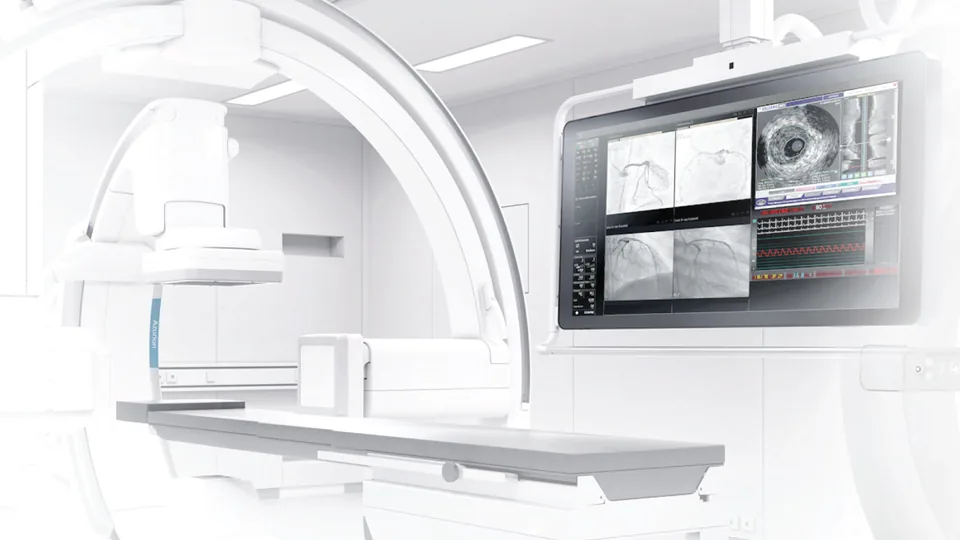
A medial branch block (MBB) is a small injection of local anaesthetic onto the medial branch nerve, performed under X-ray guidance (fluoroscopy) for accuracy. Its purpose is to confirm whether the facet joint is truly the source of your pain before deciding on radiofrequency ablation.
If your pain clearly eases for a short time after the block, the facet joint is the likely source, and you are more likely to respond well to RFA. The MBB therefore acts as both a diagnostic tool and a screening step before RFA — a find-it-first, then-treat-it approach that keeps treatment targeted and helps avoid procedures that are not needed.
How does radiofrequency ablation (RFA) work?
Radiofrequency ablation uses radio-wave energy to create heat at the tip of a fine needle, reducing pain-signal conduction along the medial branch nerve that has been confirmed as the source. With the signal reduced, facet-joint neck pain eases — without surgery and without stitches.
- Performed under X-ray guidance with local anaesthetic, so you stay awake throughout.
- Places a fine needle at the target nerve — no surgery, no incision to close.
- Takes a relatively short time, and most people go home the same day.
- Uses instruments meeting international standards, under the care of our medical team.
How long does RFA relief last?
Relief from RFA varies from person to person. Typically it can last from several months up to around a year or more in some cases, depending on the individual and the nature of the condition.
An important point to understand: the medial branch nerve can regrow naturally over time, so pain may gradually return. If that happens, the procedure can be repeated. RFA is therefore aimed at relieving symptoms and helping you live more comfortably — not at making the underlying condition disappear on its own or lasting forever.
Who is a good candidate — and who is not?
May be suitable for: people with chronic facet-joint neck pain that has not improved after conservative care (posture changes, physiotherapy, medication) and who respond well to a diagnostic medial branch block.
May not be suitable, or needs further assessment: people whose pain comes from another source — for example a cervical herniated disc causing numbness or arm weakness — as well as those with an active infection, bleeding-clotting problems, or pregnancy. Suitability is decided individually after clinical assessment and imaging.
Safety and aftercare
RFA is a widely performed, minimally invasive procedure, and most people recover quickly. As with any procedure, temporary effects are possible — tenderness at the site, a short-lived increase in pain before it settles, or other less common effects. Our medical team will explain the risks and precautions openly beforehand, along with self-care advice and a follow-up plan.
In summary
This procedure is part of YOUNIFY's Pain Medicine service, which cares for chronic neck and back pain using needle-based, image-guided procedures — no surgery — under the care of our medical team. To find out whether your symptoms fit this approach, contact us to arrange an initial consultation. Results vary by individual.
Frequently Asked Questions
Does radiofrequency ablation for neck pain hurt?
It is done under local anaesthetic. Most people feel only mild discomfort during the procedure and go home the same day.
How long does the relief last?
It varies by individual. Typically it can help for several months up to around a year or more in some cases, and it can be repeated if pain returns.
Do I always need a medial branch block first?
Generally our medical team performs the diagnostic block first, to confirm the facet joint is truly the source, before considering RFA.
Can RFA replace surgery?
They are different approaches. RFA suits pain arising from the facet joints, while surgery is considered for specific conditions such as clear nerve compression. Our medical team will help assess which approach fits you.
References
- Percutaneous radio-frequency neurotomy for chronic cervical zygapophyseal-joint pain (New England Journal of Medicine, 1996 (Lord SM, et al.))
- Neck Pain: Clinical Practice Guidelines, Revision 2017 (JOSPT) (Journal of Orthopaedic & Sports Physical Therapy, 2017)
Medical Note
This article is for general information and does not replace medical examination, diagnosis, or treatment. If symptoms are severe, changing quickly, or urgent, seek medical care promptly.
Want to know which care plan fits you?
Share your symptoms, health history, medications or prior procedures, and personal goals. Our team can help arrange a medical assessment.
Consult YOUNIFY Clinic