Key Takeaways
- GLP-1 injections genuinely work, backed by strong randomized-trial evidence: semaglutide (Ozempic/Wegovy) produces about 15% body-weight loss on average, and tirzepatide (Mounjaro) up to roughly 20–22%, when combined with lifestyle change.
- They work mainly by reducing appetite and keeping you full longer, but they are prescription medicines that require a doctor's supervision and gradual dose titration — not something to buy and inject on your own.
- The cost is high and ongoing, and appetite usually returns after stopping, so they are best seen as part of a long-term plan built on lifestyle change — with ESG considered when you want durable results without lifelong medication.
What GLP-1 injections are and how they work
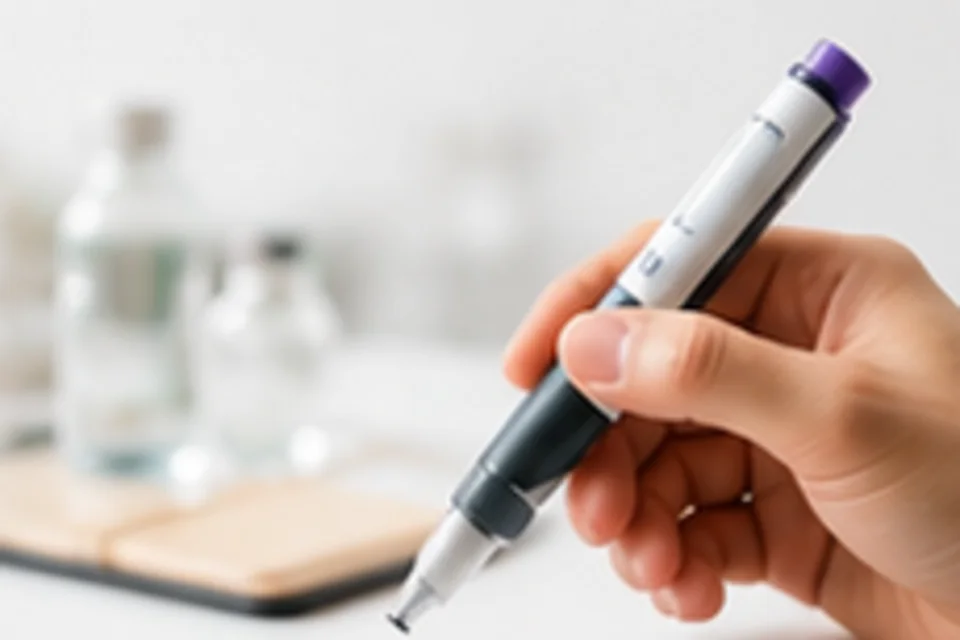
GLP-1 (glucagon-like peptide-1) is a gut hormone the body releases after eating. These medicines mimic that hormone. The best-known ones are semaglutide (brand names Ozempic and Wegovy), tirzepatide (Mounjaro), and liraglutide (Saxenda). Most are injected under the skin once a week, except liraglutide, which is a daily injection.
Their main action is to reduce appetite and make you feel full sooner and for longer by slowing stomach emptying and signaling fullness to the brain. The result is that most people eat less without fighting constant hunger. The drugs do not "burn fat" directly — they make it far easier to create a calorie deficit naturally.
- Mimic the GLP-1 hormone that controls fullness and blood sugar
- Reduce appetite and make you feel full sooner and longer
- Help you eat less and build a calorie deficit — not a fat-burning drug
How well do they work? The trial evidence
The honest answer is that they work, and large randomized controlled trials (RCTs) back this up. At weight-loss doses, semaglutide produces about 15% body-weight loss on average over roughly one to one-and-a-half years. Tirzepatide, which acts on two receptors, goes further — up to about 20–22% at the highest dose. These figures come from using the drug alongside diet and behavior change, not the drug alone.
That said, response varies from person to person: some lose a great deal, others less than average. Results are best when paired with enough protein and resistance training to preserve muscle mass as the weight comes down.
| Medicine | Average weight loss | How it's taken |
|---|---|---|
| Liraglutide (Saxenda) | About 5–8% of body weight | Daily injection under the skin |
| Semaglutide (Wegovy/Ozempic) | About 15% of body weight | Weekly injection under the skin |
| Tirzepatide (Mounjaro) | About 20–22% of body weight | Weekly injection under the skin |
Are they safe, what do they cost, and what to know first
Overall these medicines are considered safe when used under a doctor's care. The most common side effects are gastrointestinal — nausea, constipation, or diarrhoea — which tend to be dose-related and improve as the dose is raised slowly. For that reason the dose must start low and step up gradually (titration), and the drug should be prescribed and monitored by a doctor, not self-injected.
On cost, GLP-1 medicines remain relatively expensive and are an ongoing monthly expense for as long as you take them. A point many people overlook is that once you stop, appetite usually returns and weight tends to rebound. Planning from the start how you will use the medicine and how you will hold the results long term matters just as much as the drug itself.
- Common side effects are gastrointestinal and usually improve with slow titration
- Prescription-only, requiring a doctor to prescribe and monitor — not for self-use
- Relatively costly and ongoing; weight tends to rebound after stopping
Using them well and making it last: supervised care at YOUNIFY
GLP-1 is a powerful tool, but it works best and most safely within a plan built on lifestyle and nutrition. At YOUNIFY we start by assessing the individual causes of excess weight, set up a nutrition plan and resistance training to protect muscle, then use a GLP-1 medicine when appropriate — titrating the dose and monitoring side effects closely.
For those who want durable results without depending on medication forever, endoscopic sleeve gastroplasty (ESG) reshapes the stomach smaller through an endoscope via the mouth, with no surgical incision, so you feel full sooner and eat less on a lasting basis. Combining lifestyle change, medication, and ESG under specialist care achieves greater loss that holds better than medication alone.
Lifestyle intervention (the base)
An individualized nutrition and exercise program — the foundation that makes the medicine work and helps prevent rebound.
Supervised GLP-1
A doctor selects the drug, titrates the dose step by step, and monitors side effects so it is used safely and effectively.
Endoscopic sleeve gastroplasty (ESG)
A non-surgical option for more durable results — faster fullness, eating less — without relying on medication for life.
Frequently Asked Questions
Do GLP-1 injections make you lose weight without any diet at all?
No. The medicine reduces appetite so eating less is easier, but the results in trials came from using the drug alongside diet and exercise. Getting enough protein and doing resistance training also protects muscle while the weight comes down.
How is Ozempic different from Mounjaro, and which is better?
On average, tirzepatide (Mounjaro) produces slightly more weight loss than semaglutide (Ozempic/Wegovy), but response varies between individuals, and side effects, existing conditions, and cost differ too. The right choice should be assessed with a doctor.
What happens if I stop the medication?
After stopping, appetite usually returns and weight tends to rebound partly or fully, because obesity is a chronic condition. That is why it helps to plan long term from the start — whether continued medication, holding results with lifestyle change, or a durable option like ESG.
Who should not use these medicines?
People with a family history of medullary thyroid cancer, MEN2 syndrome, or previous pancreatitis, as well as those who are pregnant, should avoid them or consult a doctor first. A doctor's review of your health history before starting is essential.
References
- Once-Weekly Semaglutide in Adults with Overweight or Obesity (STEP 1) (New England Journal of Medicine, 2021)
- Tirzepatide Once Weekly for the Treatment of Obesity (SURMOUNT-1) (New England Journal of Medicine, 2022)
Want to know which care plan fits you?
Share your symptoms, health history, medications or prior procedures, and personal goals. Our team can help arrange a medical assessment.
Consult YOUNIFY Clinic